Why villas in the UAE need a seasonal pest plan
Summer in the UAE is more than uncomfortable heat, it is a full biological reset for insect and rodent populations. Ants, cockroaches, mosquitoes, silverfish, geckos and even rats speed up their breeding cycles when daytime temperatures climb above 40°C and indoor spaces stay cool and humid. A villa, with its garden, irrigation lines, shaded foundation and quiet storerooms, offers everything a pest needs: water, food and shelter. That is why a passive approach, waiting until you actually see something, almost always ends badly.
The smarter move is to prepare the property before the season peaks. That means treating the plot and the building envelope, closing the small gaps insects use as highways, and doing safe, low-toxicity prevention inside. Done in that order, the work is quick, the chemicals stay minimal, and the villa stays livable for children and pets all summer.
Step 1
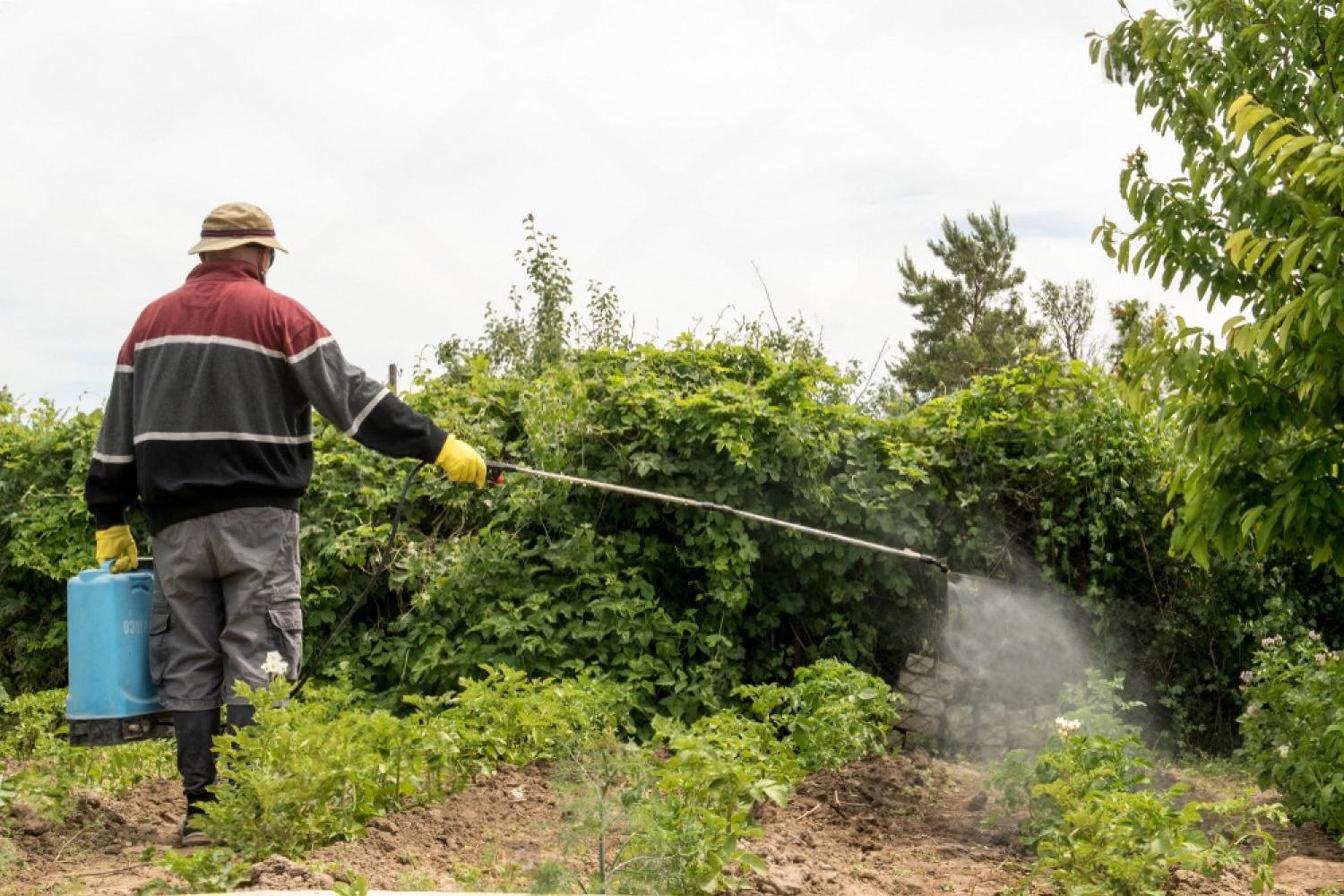
Treat the garden and the plot around the villa
Most infestations start outdoors. Trees, hedges and irrigated soil are where colonies build up before scouts find a way into the house. A pre-season outdoor treatment cuts that pipeline at the source.
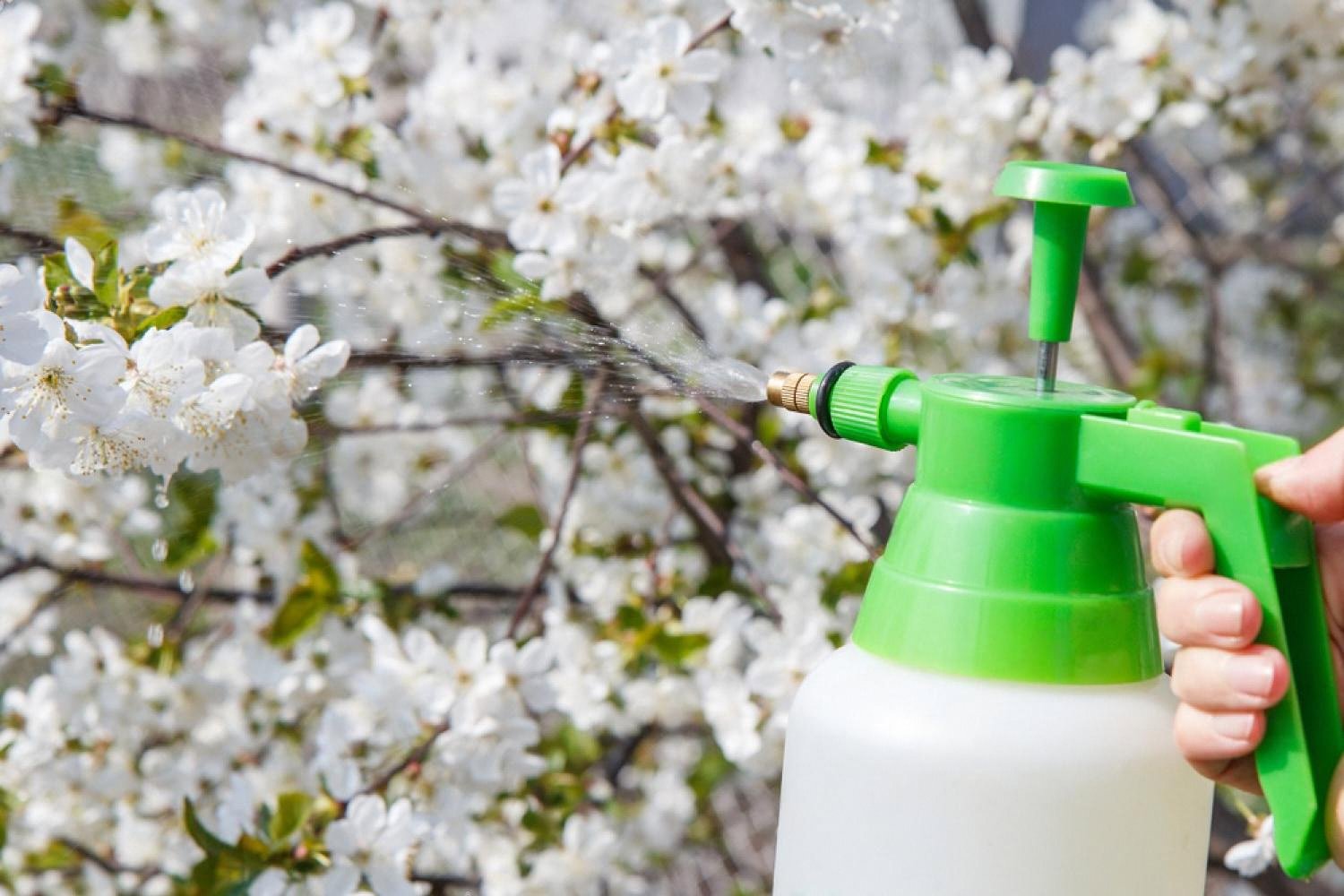
- Spray trees and shrubs with a residual insecticide targeted at whiteflies, aphids, mealybugs and caterpillars, focusing on the underside of leaves.
- Treat the lawn and soil beds against ants, termites and ground-nesting wasps, especially near palm trunks and grass edges.
- Clear standing water from saucers, drains, AC condensate trays and pool covers, mosquitoes need only a bottle cap of water to breed.
- Trim vegetation back at least 50 cm from exterior walls so branches do not act as bridges for ants and geckos.
Step 2
Seal the base of the house and the building envelope
Once the garden is under control, the next line of defence is the villa itself. The base of the house, the joint where the wall meets the ground, is the single most common entry point for ants, cockroaches and rodents. It deserves dedicated attention.
- Apply a perimeter barrier treatment along the full foundation, ideally a 30-50 cm band on both sides.
- Seal cracks in plaster, expansion joints, and gaps around outdoor plumbing with silicone or cement.
- Fit fine mesh over AC vents, kitchen extractor outlets and drainage pipes, rats can squeeze through a 20 mm hole.
- Check door sweeps and window screens, replace anything torn or warped by heat.
- Inspect the majlis entrance, garage door and maid’s room, these are usually the weakest points.
Step 3: Safe indoor prevention, room by room
Inside the villa the goal is not heavy chemistry, it is denying pests food, water and hiding places, then applying gentle preventive treatments in the right corners. Everything used indoors around children and pets should be low-toxicity and applied precisely, not sprayed across open surfaces.
Kitchen
Store dry goods in sealed containers, wipe under the sink weekly, and place gel bait or boric acid dust in the void behind cabinets and the fridge, not on countertops.
Bathrooms and wet areas
Pour a little disinfectant into floor drains every few days, silverfish and drain flies breed inside the pipe. Keep grout intact and ventilation running after showers.
Bedrooms and storerooms
Treat skirting-board gaps, wardrobe corners and under-bed spaces with a residual, food-safe spray. Wash and rotate stored linen so silverfish and moths do not settle in.
Step 4: When to call a professional service
DIY sprays from a supermarket handle a stray ant column, but they are not built for a full villa protecting a family through UAE summer. Licensed technicians use products approved by the Ministry of Climate Change and Environment, apply them at the correct dose, and know where colonies actually nest, which is rarely where you see the insects walking. For a whole-property plan, most owners bring in a licensed pest control company in the UAE once before summer and once mid-season.
- Recurring ants or cockroaches after two rounds of home treatment, the nest is somewhere you cannot reach.
- Any sign of termitesmud tubes on walls, hollow-sounding wood, or discarded wings near windows.
- Rodent droppings or gnaw marksespecially in the garage, storeroom or near the water tank.
- Mosquito swarms despite drained standing water, there is likely a hidden source nearby.
- Before moving into a new villaa preventive treatment is far cheaper than a reactive one.
In sequence
The five ideas to remember
- Prepare early. Start before you see the first pest, not after.
- Work outside-in. Garden, foundation, envelope, then interior.
- Deny water. Standing water fuels mosquitoes and drives rodents indoors.
- Use safe chemistry indoors. Targeted baits and dusts beat broad sprays around family.
- Bring in specialists for scheduled seasonal treatment and any recurring problem.
Reference: common UAE summer pests and where to hit them
| Pest | Peak season | Main entry point | Primary treatment zone |
|---|---|---|---|
| Black and pharaoh ants | April to October | Foundation cracks, window frames | Perimeter barrier, wall base |
| American cockroach | May to September | Drains, kitchen pipe voids | Drains, cabinet voids, sub-slab |
| Mosquitoes | Year-round, worse May to November | Doors, unscreened windows | Standing water sources, garden foliage |
| Subterranean termites | Year-round, swarming after humidity spikes | Soil contact with wood or plaster | Soil injection around foundation |
| Rats and house mice | Peak in late summer | Garage door gaps, utility ducts | Bait stations along perimeter |
| Silverfish | Humid months, June to September | Wet zones, stored paper | Bathrooms, wardrobes, storeroom |
General guidance on integrated pest management is published by the World Health Organization and by the UAE Ministry of Climate Change and Environment which regulates approved pesticide products for residential use.
Frequently asked questions
When should I schedule the first pest treatment of the summer?
The best window in the UAE is March to early April, just before daytime temperatures climb past 35°C and colonies start expanding. A treatment done at that point creates a residual barrier that carries the villa through the worst months. A second, lighter round in July or August tops up anything degraded by heat and irrigation.
Are the chemicals used around a villa safe for children and pets?
Licensed technicians in the UAE use products registered with the Ministry of Climate Change and Environment, which set safety re-entry times, usually 2 to 4 hours after outdoor spraying and about 1 hour for indoor gel baits. If the treatment is applied correctly and surfaces are ventilated, the villa is safe for the family after the recommended waiting period.
For extra caution, keep pet food bowls, toys and children’s play mats off treated floors on the day of application.
Can I handle prevention myself instead of hiring a company?
You can handle a lot of it: sealing cracks, fixing screens, draining standing water, keeping the kitchen tight, using retail baits in wall voids. What you cannot easily replicate at home is a proper residual perimeter treatment or termite soil injection, both of which need commercial-grade product and equipment.
A common approach is DIY monthly maintenance plus one or two professional visits per year.
Why do mosquitoes get worse even after I remove standing water?
Mosquitoes travel from neighbouring plots, construction sites and community irrigation systems. Removing water from your own garden helps a lot but does not solve a district-wide breeding source. Adding fine window screens, running outdoor fans on shaded terraces, and asking a technician to treat the underside of hedges and shaded walls is what usually closes the gap.
How do I know if a villa has termites before they cause damage?
Look for pencil-thin mud tubes running up exterior walls, tap wooden door frames and skirting boards for a hollow sound, and check for small piles of discarded wings near windows after humid nights. Any of those signs mean an active colony and the treatment should be done fast, before structural wood is affected.
How often should preventive pest control be repeated?
For most UAE villas, two full treatments per year, one pre-summer and one mid-summer, plus a check-up before winter, is enough. Villas near green spaces, farms, canals or ongoing construction usually need quarterly service because pressure from the surroundings is higher.

Surfer, self-starter, music blogger, Eames fan and product designer. Making at the intersection of modernism and mathematics to craft experiences both online and in real life. Check me out on Dribbble or Medium.